
To understand why this shift is happening, we have to look at where marketing started, where it broke down, and how social media marketing completely flipped the playbook.
The Traditional Method: Cast a Wide Net
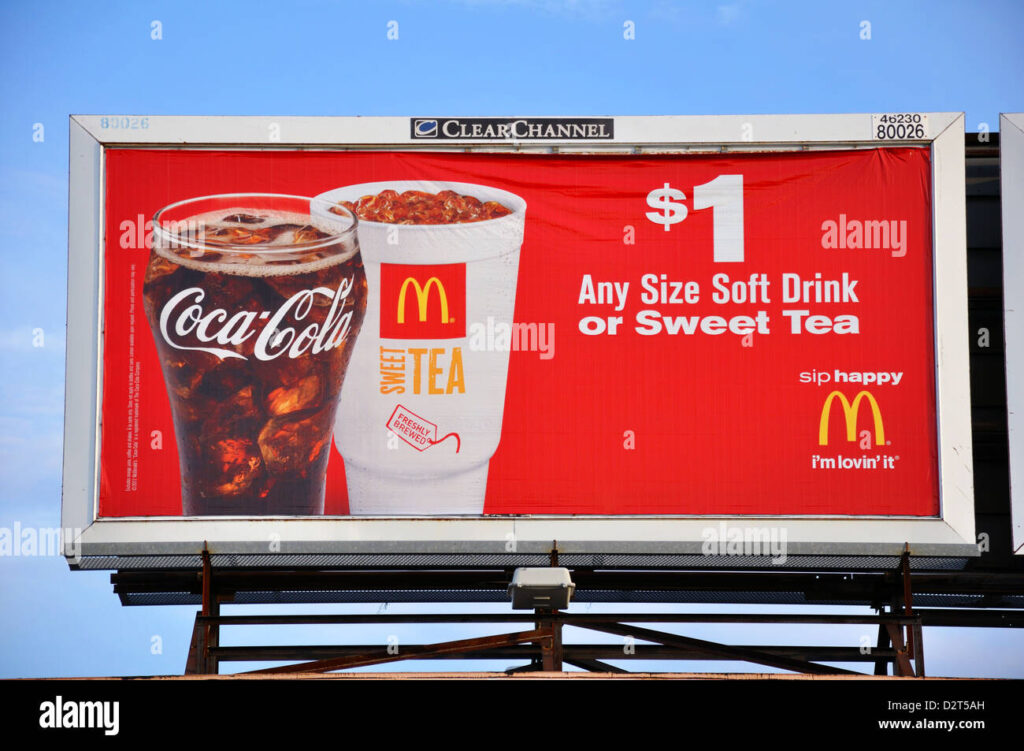
Historically, businesses relied heavily on traditional, broad-channel advertising to build their brand. This approach—often called “broadcast marketing”—utilized high-reach mediums like television commercials, radio spots, massive highway billboards, and full-page newspaper spreads. The strategy was built on a numbers game: push a singular, generalized message out to the masses, and assume that a small percentage of that massive audience would happen to need your product. It was a one-way conversation where the brand held the megaphone, shouting into a crowd hoping the right ears were listening.
The Breakdown: High Costs and Zero Connection
Financial Waste (Ad Bleed): Traditional media forces companies to pay for impressions, not interest. A local business paying thousands for a billboard or TV spot is wasting a massive portion of their budget on people who are either outside their target demographic or completely uninterested in what they sell.
Ad Blindness and Fatigue: Consumers are now exposed to thousands of ads a day. As a result, we have collectively learned to tune out broad commercials, skip past banners, and ignore generic messaging.
The Impact on Companies: For businesses, this created a toxic cycle. Marketing budgets skyrocketed, but actual customer acquisition rates plummeted. Companies were spending fortunes just to be noticed, resulting in diminished profit margins and an inability to accurately measure where their sales were actually coming from.

The Evolution: Enter Social Media Marketing
This friction point is exactly why Social Media Marketing (SMM) didn’t just become a new tool—it entirely replaced the traditional advertising paradigm. SMM introduced a completely new set of strategies rooted in two-way communication and granular targeting.Instead of forcing a brand to speak to everyone, social media allowed brands to find their exact “subcultures”—micro-communities of people bound together by specific interests, niche hobbies, or shared problems.
Slicing Costs, Skyrocketing Profits
Hyper-Targeted Efficiency: Platforms allow businesses to target users based on exact behaviors, communities they follow, and intent. Instead of paying to show a running shoe to an entire city via a billboard, a company can spend a few dollars to show it exclusively to marathon training enthusiasts within a 10-mile radius. Zero budget is wasted.
The Power of Organic Community: Through consistent, value-driven content (like short-form video or authentic discussions), businesses can build a loyal community without spending a dime on ad placement. When fans feel like they belong to a brand’s micro-community, they turn into brand advocates—sharing, commenting, and driving organic sales.
High Margin Returns: Because the cost of entry is so low and the targeting is so precise, companies are experiencing vastly improved ROI. You no longer need a million-dollar ad budget to compete; you just need a deep understanding of your specific digital subculture.
Moving from broad broadcasting to narrow community cultivation isn’t just a trend—it’s a financial necessity. By focusing on the micro-communities hidden within social platforms, modern brands are building deeper trust, spending less on wasteful advertising, and driving sustainable profitability.